Many beginners learn Salesforce tools but don’t understand what a Salesforce Admin actually does in real company environments. In 2026, Salesforce Admin is not just a configuration role — it is a critical business operations position.
What is a Salesforce Admin in Real Companies?
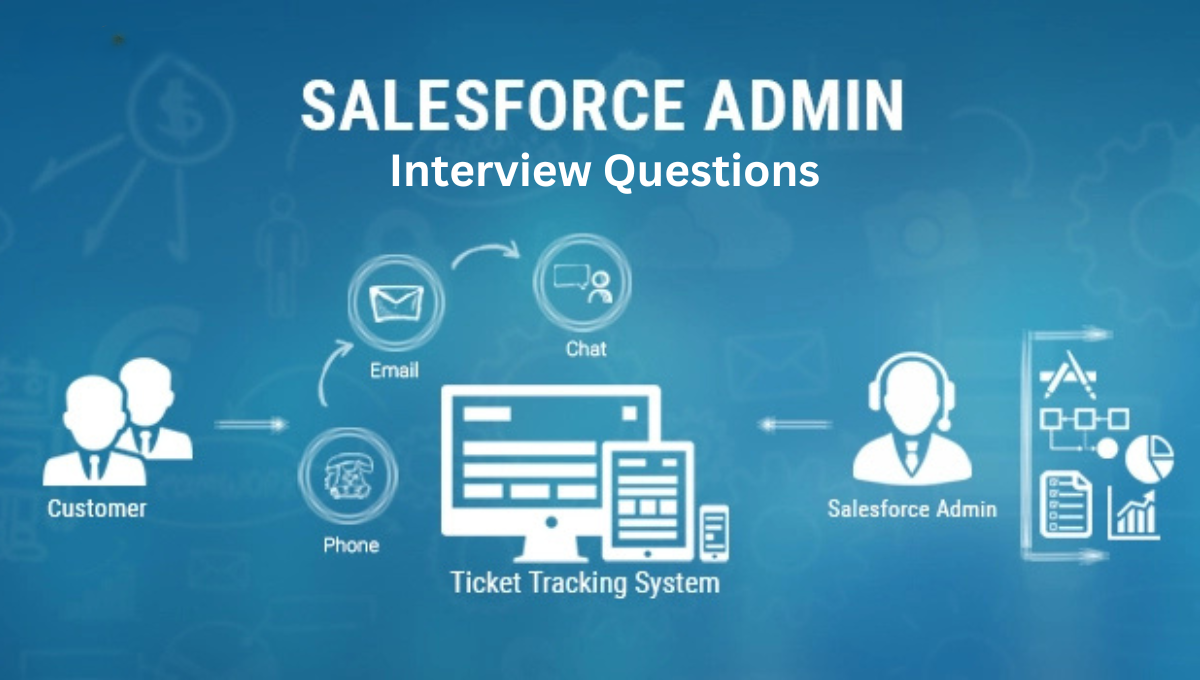
A Salesforce Administrator manages, configures, and maintains the Salesforce CRM system to ensure smooth business operations. They act as a bridge between technical teams and business users.
1. User & Security Management
One of the main responsibilities is handling user issues and access requests:
- Manage Access, permission changes, SSO, and licensing.
- Administer user accounts, profiles, permissions, roles
- Apply industry‑aligned security principles, including least‑privilege access and structured governance.
2. Data Integrity & accuracy
Salesforce Admin ensures data accuracy inside the system:
- Ensure high‑quality, accurate data across all Salesforce objects.
- Execute data imports/exports, cleanup efforts, and deduplication.
- Update customer data
- Import new leads and contacts
3. Report & Dashboard Management
Admins create and maintain reports for business teams:
- Build and maintain core performance reports and dashboards
- help drive consistent KPI usage across teams.
- Manage Weekly and monthly analytics
4. System Configuration & Updates
Admins regularly update system settings:
- Create new fields and objects & manage their relationships
- Update page layouts
- Configure workflows and automation
5. Automation Support
Admins help reduce manual work using automation tools:
- driving ongoing improvements and innovation across the system.
- Build and optimize complex Flows and automation within Salesforce
- Define & Setup Approval processes
- Setup Automated email notifications
- Favor low‑code and no‑code solutions to support scalable system design.
6. Business Support & Analysis
Act as a trusted partner to business stakeholders, translating operational needs into practical solutions.
- Review and clarify incoming requests and troubleshoot functional issues.
- Reproduce and categorize potential defects, and keep stakeholders informed.
- Shape and deliver the Salesforce roadmap to support strategic growth.
- Partner with Sales, Marketing & Business Leadership to ensure Salesforce aligns with company goals
7. Security & Access Control
Security is a key responsibility in enterprise systems:
- Manage roles and profiles
- Set field-level security
- Control data visibility
8. Training Internal Teams
Admins also train employees on Salesforce usage:
- Onboard new users
- Create documentation
- Conduct CRM training sessions
- support system adoption by Creating brief user guides and in‑app prompts.
Why Salesforce Admin Role is Important in 2026?
- Every business depends on CRM systems
- Admins keep systems running smoothly
- They directly impact sales performance
- High demand in global job market
Career Growth Opportunities
- Salesforce Developer
- CRM Consultant
- Salesforce Architect
- Business Analyst
Final Thoughts
A Salesforce Admin is not just a system operator — they are a core part of business growth and decision-making. In 2026, this role offers strong career growth and high salary potential.
Start mastering real-world Salesforce skills to become job-ready in the global market.